How to Store 1,000 Parts in 100 Square Feet of Floor Space
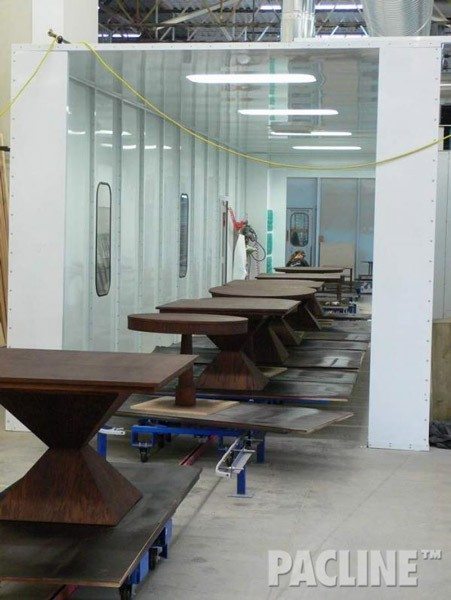
How to Store 1,000 Parts in 100 Square Feet of Floor Space In both manufacturing and warehousing, workers are constantly challenged with minimizing floor space requirements while maximizing storage capacity. Typical solutions may include installing in a few extra racks at the end of a busy aisleway, double-stacking skids on already-filled shelves or narrowing aisleways to place more product on the floor. In doing so, they must still safely maneuver and coordinate a multitude of forklifts around blind corners, and across pedestrian walkways, and track storage locations, which are constantly changing due to lack of space and shuffling of skids in small spaces. The Challenge This particular company was one of several located on Toyota’s supplier campus. They had been selected by Toyota to supply the foam seat cushions for the Tundra pickup truck. These foam seat cushions are produced through a molding process that involves a 90-minute cure time. During the cure time, the cushions must sit at room temperature with minimal handling to ensure a top quality product. The Toyota seat supplier needed a solution that would not only minimize handling during transport and curing but also store up to 2,600 parts during curing. In addition, since much of the floor space in the production facility was already allotted for other process machinery, there was very little space left for the curing and storage process. The PACLINE CONVEYOR Solution In many manufacturing environments, such as this one, the space below the ceiling trusses, light fixtures, piping and HVAC and above the floor machinery is unused. Since most operations are conducted on or close to the ground level,...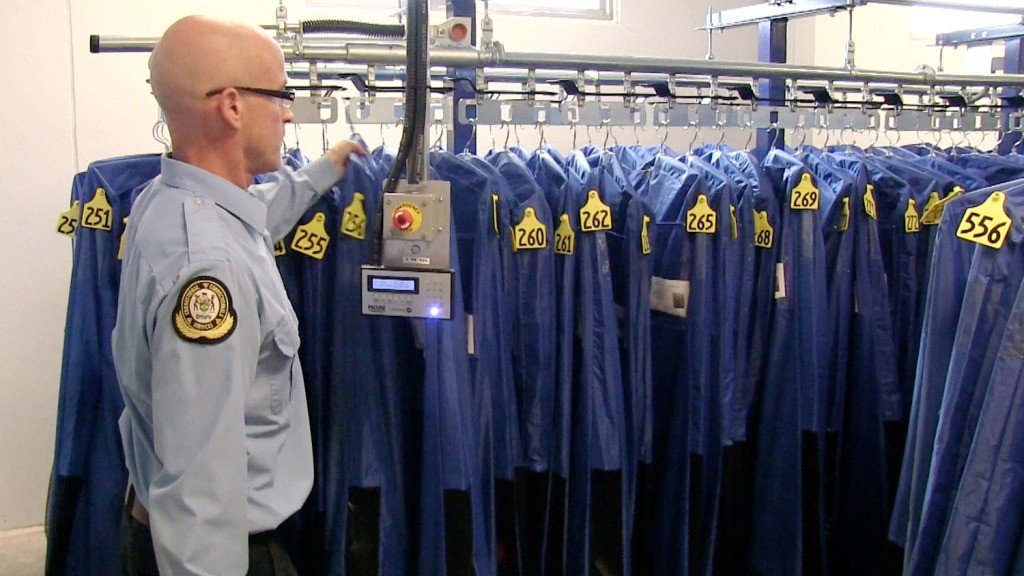
Specialized Overhead Conveyor Systems for Garment Handling
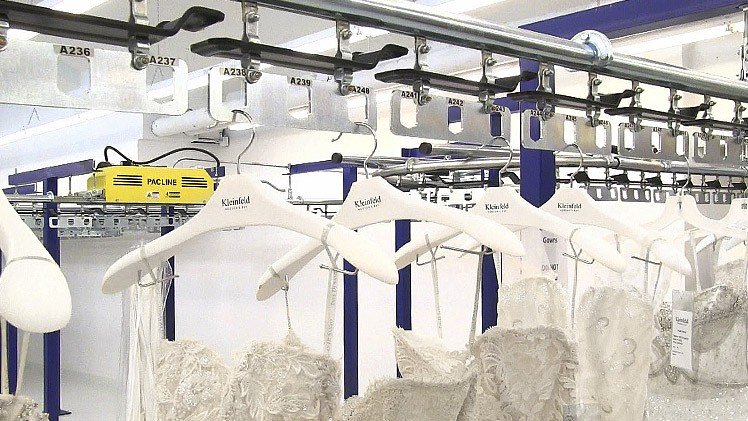
Specialized Overhead Conveyor Systems for Garment Handling PACLINE is well known in the industrial world for its high quality conveyor products and expertise in custom designed systems for a wide range of manufacturing and warehousing operations. Now PACLINE has developed its complete Garment Handling conveyor system. This storage and retrieval system utilizes their highly versatile enclosed tube track conveyor along with The RETRIEVER™ control system. Read More in Our Blog GET MORE INFORMATION Your NameCompany NameE-mail Address Phone NumberCountryIndustry/ApplicationWhat is your application?Assembly LineEmpty Carton and Tote HandlingCorrugated Trash RemovalPaint & FinishingParts Accumulation & WIPGarment HandlingGreenhouseWoodworkingProduce PackingEntertainment ProductionCreative DisplayOtherTell us about your project?EmailThis field is for validation purposes and should be left unchanged. Δ...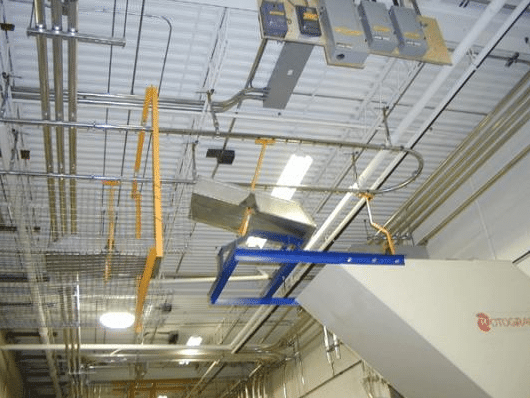
Automated System for Corrugated Carton Removal
Automated System for Corrugated Carton Removal How an automated system for corrugated carton removal can save space and the environment A very common application of overhead chain conveyors (monorails) is the removal of corrugated cartons from the order picking areas of a modern distribution Center. These areas are “high activity” work spaces and are often congested with personnel and densely packed with product, leaving little space for garbage bins and labour. So, the time proven solution is to take the trash cartons somewhere else in the facility where they can be dealt with efficiently, usually to the area of a trash compactor. In the last ten years, a combination of “Green” environmental initiatives and increasing cost of raw materials such as corrugated paper have changed the way we look at and deal with the trash cartons that come from our DC’s. Good, clean corrugated material is worth some money if it is prepared so that it is easy for a recycler to pick up and process. If it is uncontaminated and strapped properly, the recycler will pay top dollar to haul it away. An overhead conveyor can play a very important role in developing an efficient system to get empty trash cartons from the source to the automatic compaction system. An overhead conveyor can wind through picking areas close to the workers so that they can easily feed these cartons onto conveyor “hooks” or “trays”. The conveyor will carry the cartons to the infeed hopper of a corrugate compactor, and automatically dump. The cost of this automation is often justified by: Reduced congestion in the working areas, and less...